Is Self-Publishing Still Stigmatised? Building Credibility
 Edward Peppitt
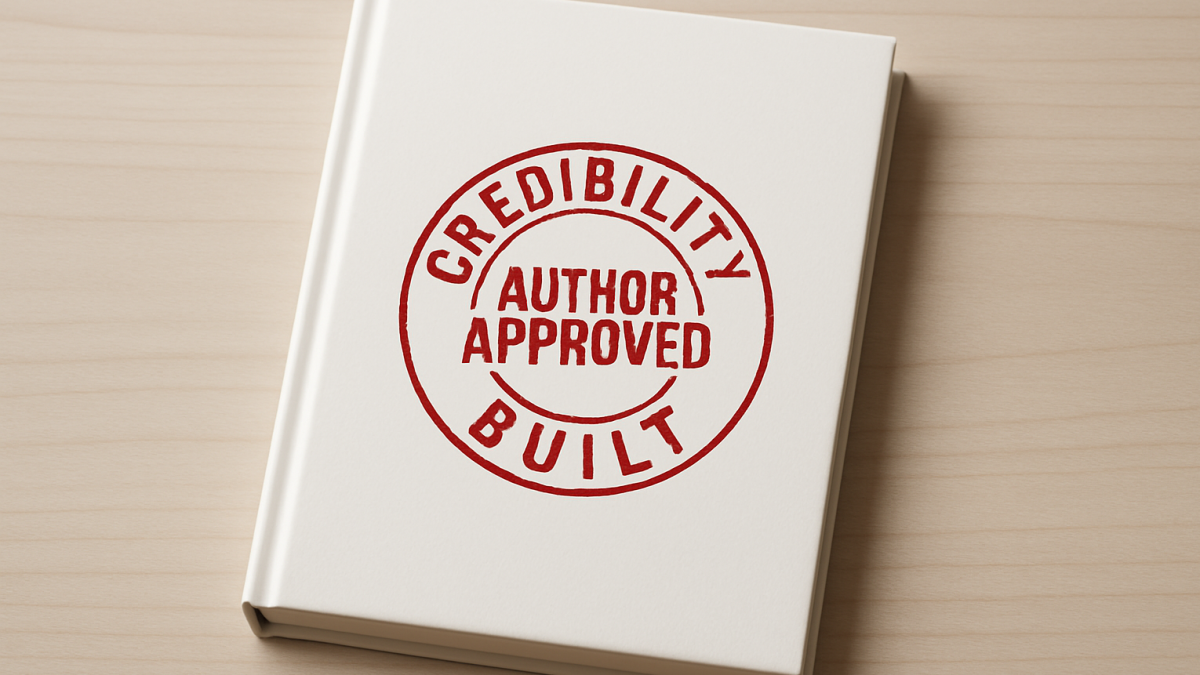
Worried self-publishing might harm your reputation? Learn how to overcome bias and boost your book’s credibility.
When people think about the fears that hold writers back, they usually jump straight to things like “What if nobody reads it?” or “What if the reviews are bad?”
But there’s another, quieter fear that comes up again and again when I talk to writers:
“What will people think of me if I self-publish?”
For decades, self-publishing carried a stigma. It was lumped in with vanity publishing — companies that took your money, printed your manuscript without question, and left you with a garage full of books you couldn’t shift. Traditional publishing, on the other hand, was seen as the only “proper” route. It came with prestige, validation, and the sense that you’d passed the ultimate test.
Even though the world has changed — even though millions of readers now buy self-published books every day — that old narrative hasn’t completely disappeared. And it can make you hesitate, second-guess yourself, or even keep your book hidden away in a drawer.
Why Writers Feel This Way
- The shadow of vanity publishing
The image of the failed writer paying to see their words in print still lingers, even though modern platforms like Amazon KDP or IngramSpark are a world away from that model.
- Comparison with the traditional route
Writers sometimes believe credibility only comes with a publishing contract. If a big publisher hasn’t backed you, maybe you’re not “good enough.”
- Fear of being dismissed
Whether it’s colleagues, peers, or even friends, there’s the worry that someone will look at your book and think, “Oh… self-published.”
- Imposter feelings
Without that external stamp of approval from an agent or publisher, it’s easy to wonder if you’re a “real” author at all.
How to Push Past the Stigma
Here’s the truth: credibility isn’t handed down by a publisher. It’s built — by you.
- Look at the evidence
The best-selling writers in the world right now include self-published authors. Not one or two outliers, but hundreds who’ve built entire careers on their own terms. The market has shifted. The stigma is shrinking faster than you think.
- Focus on quality
Most of the negative assumptions about self-publishing come from poor production. Bad covers, weak editing, clunky formatting. If you invest in editing, design, and presentation, your book stands shoulder-to-shoulder with anything from a mainstream press.
- Own your choice
Self-publishing is not the fallback option anymore. For many authors it’s the smarter, more strategic path: faster timelines, more control, higher royalties. When you present it that way — to readers, colleagues, or the media — people see the confidence behind the decision.
- Shift the conversation
When someone asks about your book, don’t start with “I self-published.” Start with what it’s about, who it helps, or the story behind it. Lead with the value to the reader. The publishing route is secondary.
The Bigger Picture
I’ve worked with hundreds of authors over the years, and here’s what I’ve noticed: the ones who break through aren’t necessarily the most polished, or the most connected, or the ones with the biggest marketing budgets.
They’re the ones who back themselves. Who take their book seriously. Who put the care into making it the best it can be, and then stand proudly behind it.
That’s where credibility really comes from. Not from a logo on the spine, or from someone else giving you permission. From you.
Your Next Steps
If this sounds like you, here are three ways I can help:
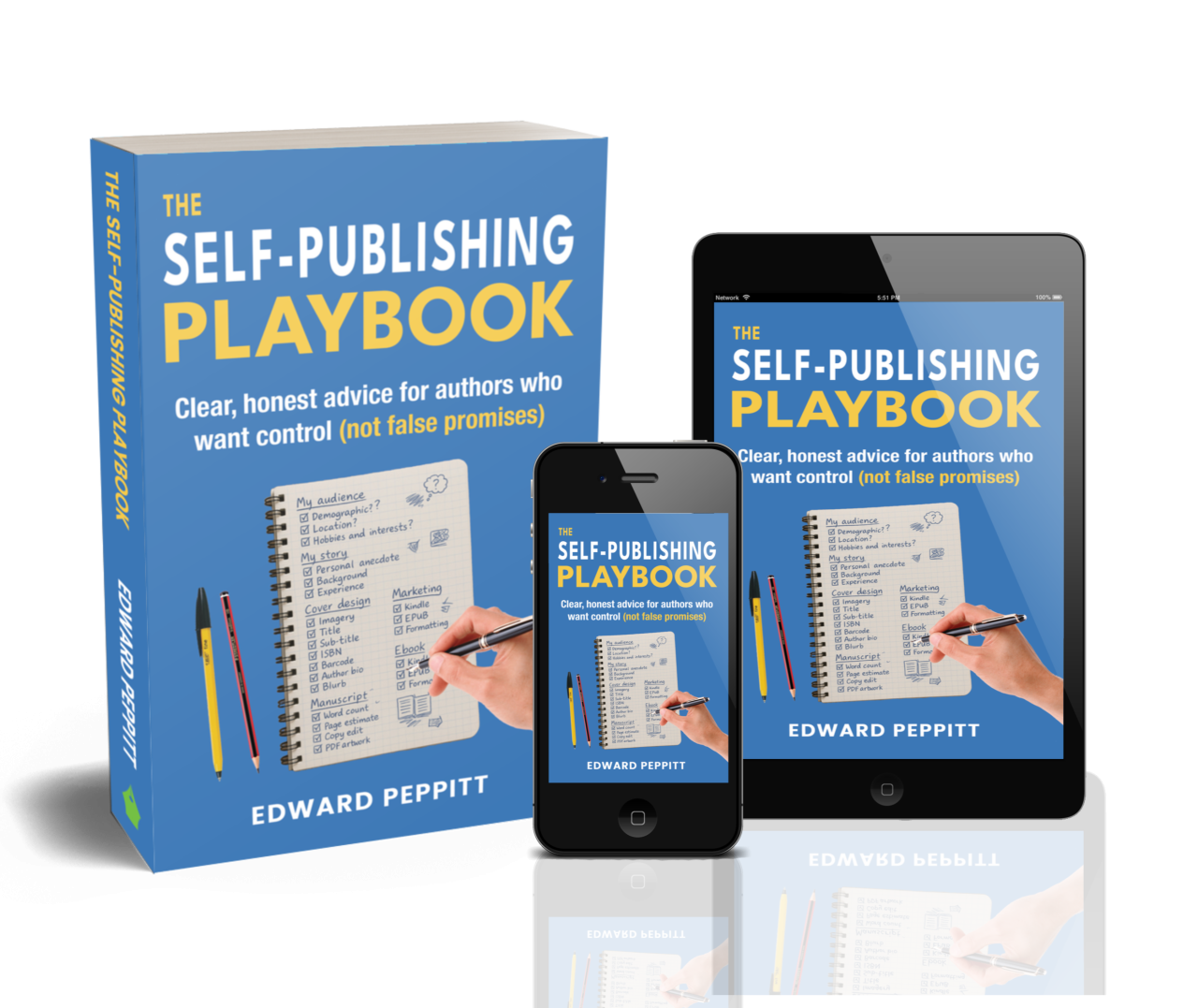
- Request a free paperback copy of my book – packed with practical advice on self-publishing.
- Register for my free webinar – discover the mistakes most new authors make.
- Book a place on my self-publishing course – and get step-by-step support to take your book from draft to readers.
Categories: : Self-Publishing Articles